
Indian Cumin Seeds: Benefits, Uses, Export Quality Standards, and the Complete Buying Guide

Introduction Indian cumin seeds have earned a distinguished place in the global spice industry for their exceptional aroma, rich flavor, and consistent quality. Commonly known as Jeera, cumin seeds are one of the most widely traded spices in the world and are used extensively in households, restaurants, food manufacturing, and the nutraceutical industry. Their versatility, combined with India’s reputation as the world’s leading producer and exporter, has made Indian cumin seeds a preferred choice among international buyers. The increasing demand for natural ingredients, authentic spices, and premium food products has significantly expanded the global market for Indian cumin seeds. Importers across Europe, North America, the Middle East, Africa, and Asia seek high-quality cumin that meets international food safety standards while delivering the distinctive taste and aroma expected by consumers. Why Indian Cumin Seeds Continue to Dominate Global Markets India’s favorable climate, advanced farming practices, and well-established export infrastructure enable the country to supply premium-quality cumin seeds throughout the year. Indian exporters have developed strong relationships with global buyers by consistently delivering products that meet international quality expectations. A Trusted Spice for Every Kitchen Whether used in traditional recipes, modern culinary creations, spice blends, or processed foods, Indian cumin seeds remain one of the most essential ingredients in cuisines around the world. What Are Indian Cumin Seeds? Indian cumin seeds are the dried fruits of the plant Cuminum cyminum, which belongs to the Apiaceae family. Although commonly referred to as seeds, they are technically dried fruits harvested from an annual flowering herb. The seeds are slender, elongated, and brownish-yellow with distinctive ridges running along their surface. Their warm, earthy flavor and slightly peppery aroma make them an indispensable spice in countless regional and international cuisines. Cumin seeds can be used whole, roasted, or ground into powder depending on the desired flavor profile. Botanical Information The cumin plant thrives in dry climates with moderate temperatures and well-drained soil. Farmers carefully monitor growing conditions to ensure healthy crops capable of producing aromatic, high-quality seeds suitable for domestic consumption and international export. Origin and History Cumin has been cultivated for thousands of years and was traded extensively through ancient civilizations. Historical records indicate that cumin was valued in Egypt, Greece, Rome, Persia, and the Indian subcontinent, where it became an integral part of traditional cooking and Ayurvedic practices. A Spice That Stood the Test of Time Its enduring popularity demonstrates not only its culinary value but also its cultural significance across different civilizations. From Ancient Trade Routes to Modern Global Commerce Today, Indian cumin seeds continue this legacy by reaching markets in more than one hundred countries through efficient international trade networks. Why India Is the World’s Leading Producer of Cumin Seeds India is recognized as the largest producer and exporter of cumin seeds. The country’s diverse agricultural landscape, favorable weather conditions, and experienced farming communities contribute to producing cumin with exceptional flavor, aroma, and purity. The primary cultivation areas are Gujarat and Rajasthan, where climatic conditions support healthy crop development. Farmers employ modern agricultural practices alongside traditional expertise to produce seeds that satisfy the quality expectations of global buyers. The availability of advanced cleaning, grading, sorting, testing, and packaging facilities further strengthens India’s position in the international spice market. Exporters work closely with farmers and processing units to maintain product consistency and ensure compliance with international food safety requirements. Nutritional Profile of Indian Cumin Seeds Indian cumin seeds contain naturally occurring nutrients that contribute to their popularity as both a culinary ingredient and a traditional wellness spice. They provide dietary fiber, plant protein, iron, calcium, magnesium, potassium, phosphorus, manganese, and naturally occurring essential oils that create their distinctive aroma. In addition to minerals, cumin contains antioxidant compounds that contribute to its characteristic properties. While cumin is consumed in relatively small quantities, it remains a valuable component of a balanced diet due to its rich concentration of natural plant compounds. Health Benefits of Indian Cumin Seeds For generations, cumin seeds have been valued in traditional culinary and wellness practices. Their popularity extends beyond flavor because they are widely appreciated as part of a healthy lifestyle. Supporting Digestive Comfort Cumin has traditionally been used in many cultures to complement meals and support normal digestion. It is commonly added to lentils, curries, soups, and rice dishes not only for flavor but also because of its long-standing association with digestive wellness. Naturally Rich in Antioxidant Compounds Indian cumin seeds contain naturally occurring antioxidant compounds that help protect plant cells and contribute to the spice’s unique characteristics. These compounds are among the reasons cumin remains an important ingredient in both traditional and modern diets. A Flavorful Addition to Everyday Meals Cumin enhances the taste of vegetables, legumes, grains, meats, and sauces while allowing cooks to create flavorful recipes with minimal additional ingredients. Its concentrated flavor means only a small quantity is needed to transform a dish. Culinary Applications Across the World Few spices demonstrate the same level of versatility as cumin. It is widely used in Indian curries, Middle Eastern rice dishes, Mexican cuisine, Mediterranean recipes, African spice blends, and European processed foods. Food manufacturers also incorporate cumin into seasoning mixes, ready-to-cook meals, instant soups, snack seasonings, marinades, bakery products, frozen foods, sauces, and spice blends. Its warm aroma and balanced flavor profile make it one of the most important spices in the global food industry. Export Quality Standards for Indian Cumin Seeds Quality plays a decisive role in international spice trade. Buyers expect cumin seeds that offer consistent color, strong aroma, uniform size, excellent purity, and compliance with destination-country regulations. Processing facilities typically clean, grade, and sort cumin using modern equipment to remove impurities while preserving the spice’s natural characteristics. Many exporters also perform laboratory testing to verify moisture content, purity, microbiological safety, and other quality parameters before shipment. Premium export-grade cumin is available in machine-cleaned and sortex-cleaned varieties, enabling buyers to select specifications that best match their applications. Processing, Packaging, and Storage After harvesting, cumin seeds undergo careful cleaning, drying, grading, and quality inspection before
Best Indian Spices for International Markets: A Complete Importer’s Guide
India is the world’s largest producer and exporter of spices, supplying premium-quality products to importers, wholesalers, food manufacturers, and retailers worldwide. With growing demand for natural ingredients, ethnic cuisines, and functional foods, Indian spices continue to dominate international markets. Whether you are an importer looking for reliable suppliers or a food business seeking premium ingredients, understanding the most in-demand Indian spices can help you make profitable sourcing decisions. Why Indian Spices Are Popular Worldwide Indian spices are known for their superior aroma, rich flavor, high essential oil content, and consistent quality. India’s diverse climate allows cultivation of a wide range of spices, making the country a preferred sourcing destination for international buyers. Key advantages include: Turmeric: The Most Exported Indian Spice Turmeric is among the most sought-after spices in global markets. Its culinary applications and growing popularity in health and wellness products have significantly increased international demand. Major importing countries include the United States, Germany, the United Kingdom, and the United Arab Emirates. Turmeric is widely used in food processing, dietary supplements, cosmetics, and pharmaceutical products, making it one of the most profitable Indian spice exports. Red Chilli: Strong Global Demand Indian red chilli varieties such as Guntur, Byadgi, and Kashmiri chilli are recognized worldwide for their color, pungency, and flavor. Food manufacturers and spice processors across Asia, Europe, and North America rely on Indian red chilli for seasoning blends, sauces, ready-to-eat foods, and restaurant applications. Cumin Seeds: A High-Value Export Product India is the largest exporter of cumin seeds globally. Importers prefer Indian cumin due to its strong aroma, high purity, and excellent oil content. The Middle East, Europe, and North America remain key markets for cumin seed imports. Black Pepper: The King of Spices Black pepper continues to be one of the most traded spices worldwide. Indian black pepper is highly valued for its rich flavor and premium quality. Its applications extend beyond households to food processing industries, restaurants, spice blends, and seasoning manufacturers. Cardamom: Premium Spice for Global Markets Cardamom is often referred to as the “Queen of Spices.” Its unique aroma and taste make it a preferred ingredient in tea, coffee, bakery products, confectionery, and gourmet foods. Although cardamom commands premium prices, international demand remains strong due to its exceptional quality. Future Outlook for Indian Spice Exports The global spice market continues to expand as consumers increasingly seek natural flavors, organic products, and authentic culinary experiences. Growing demand for turmeric, cumin, black pepper, red chilli, and cardamom is expected to create significant opportunities for importers and exporters over the coming years. Businesses that source directly from reliable Indian exporters can benefit from competitive pricing, superior quality, and consistent supply. Source Premium Indian Spices from Suparno Exim Private Limited Suparno Exim Private Limited supplies export-quality Indian spices to buyers worldwide. Our product portfolio includes turmeric powder, red chilli powder, cumin seeds, black pepper, coriander seeds, and other premium agricultural products. For bulk orders, private labeling, and international shipments, contact our team today. Suparno Exim Private LimitedWebsite: https://suparnoexim.comEmail: info@suparnoexim.comPhone: +91 8639332848
Indian Dry Chilli Quality Guide for Importers and Food Industries
Understanding SHU and ASTA in Dry Red Chilli Exports Understanding the difference between SHU and ASTA helps buyers select the right chilli variety for their applications such as sauces, powders, seasonings, oleoresins, snacks, pickles, and processed foods. What is SHU in Dry Red Chilli? SHU Meaning SHU stands for Scoville Heat Units, which measures the pungency or spiciness of chilli peppers. The higher the SHU, the hotter the chilli. This heat comes from a natural compound called: Capsaicin Capsaicin concentration determines the spice level of chilli. Global buyers use SHU values to determine: SHU Heat Classification SHU Range Heat Category 0 – 5,000 Mild 5,000 – 20,000 Medium 20,000 – 50,000 Hot 50,000 – 100,000 Very Hot 100,000+ Extreme Heat ASTA : ASTA Value Color Quality Below 50 Low color 50 – 100 Medium color 100 – 150 Good export quality 150 – 200 Premium color 200+ Very high color chilli SHU vs ASTA: Parameter SHU ASTA Full Form Scoville Heat Units American Spice Trade Association Measures Heat/Pungency Color Value Related Compound Capsaicin Carotenoid Pigments Buyer Focus Spice Level Red Color Intensity Used In Hot sauces, spicy foods Chilli powder, paprika Higher Value Means More Heat Better Color Factors Affecting SHU and ASTA in Indian Chillies Several factors influence chilli quality: Climate Conditions Hot weather increases pungency. Soil Fertility Healthy soil improves color and yield. Harvest Timing Fully mature chillies provide better ASTA values. Drying Method Proper sun drying preserves color and heat. Storage Incorrect storage reduces ASTA and freshness. Why Indian Dry Chilli is Preferred Globally Indian chillies offer: India’s advanced spice processing industry supports global food manufacturers with customized specifications Indian Dry Chilli Variety SHU (Scoville Heat Units) Heat Level Major Producing State Best Use Kashmiri Chilli 1,000 – 2,000 Mild Kashmir / Himachal Color-rich curries & tandoori Byadgi Chilli 8,000 – 15,000 Low to Medium Karnataka Chilli powder & oleoresin S17 Guntur Chilli 25,000 – 40,000 Medium to High Andhra Pradesh Spice blends & processing Guntur Sannam 35,000 – 50,000 High Andhra Pradesh Export & general spice use Wonder Hot Chilli 40,000 – 60,000 Very High Andhra Pradesh Spicy foods & sauces Teja Chilli 50,000 – 100,000 Extremely Hot Andhra Pradesh Oleoresin & hot sauces Bird Eye Chilli 100,000+ Extreme Heat North East India Hot sauce & seasoning Dhani Chilli 30,000 – 50,000 High Assam / Manipur Pickles & spicy foods Mundu Chilli 10,000 – 30,000 Medium Tamil Nadu Curry powders Ramnad Mundu 15,000 – 35,000 Medium Tamil Nadu Masala manufacturing Indian dry red chillies are globally preferred for their diverse range of heat levels, vibrant natural color, and excellent processing quality. Understanding both SHU (Scoville Heat Units) and ASTA color values is essential for importers, food manufacturers, spice processors, and exporters when selecting the right chilli variety. India’s wide variety of export-quality chillies enables global buyers to choose products based on their exact market and processing requirements. With proper testing, grading, and quality control, Indian dry chillies continue to maintain strong demand in international spice markets.
How to Choose the Best Dry Red Chili Supplier in India
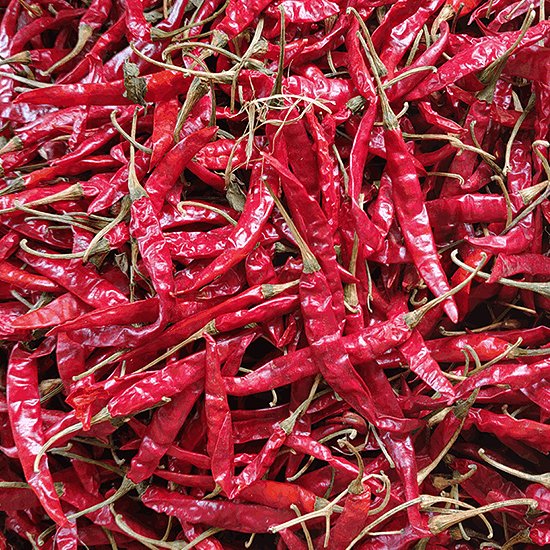
Red chili export from India is one of the largest spice trade segments in the world. India supplies premium varieties like Teja, Guntur Sannam, Byadgi, and Kashmiri chili to global markets. If you are involved in importing or buying in bulk, understanding the export process is essential for selecting the right quality, variety, and supplier. Whether you are a spice manufacturer, food processor, distributor, or private-label brand, selecting the right supplier is essential to maintaining consistent quality and meeting customer expectations. India is the world’s largest producer and exporter of dry red chili, offering a wide range of varieties with different levels of heat, color, and flavor. With so many options available, it is important to understand which variety best suits your specific application. In this article, we will explore the key factors to consider when buying dry red chili in bulk, starting with one of the most important decisions: choosing the right variety. Red Chili Export Varieties Available in India The first step in sourcing dry red chili is identifying the variety that matches your product requirements and your customers’ preferences. Popular Indian Dry Red Chili Varieties How to Choose the Right Variety