
Indian Dry Chilli Quality Guide for Importers and Food Industries
Understanding SHU and ASTA in Dry Red Chilli Exports Understanding the difference between SHU and ASTA helps buyers select the right chilli variety for their applications such as sauces, powders, seasonings, oleoresins, snacks, pickles, and processed foods. What is SHU in Dry Red Chilli? SHU Meaning SHU stands for Scoville Heat Units, which measures the pungency or spiciness of chilli peppers. The higher the SHU, the hotter the chilli. This heat comes from a natural compound called: Capsaicin Capsaicin concentration determines the spice level of chilli. Global buyers use SHU values to determine: SHU Heat Classification SHU Range Heat Category 0 – 5,000 Mild 5,000 – 20,000 Medium 20,000 – 50,000 Hot 50,000 – 100,000 Very Hot 100,000+ Extreme Heat ASTA : ASTA Value Color Quality Below 50 Low color 50 – 100 Medium color 100 – 150 Good export quality 150 – 200 Premium color 200+ Very high color chilli SHU vs ASTA: Parameter SHU ASTA Full Form Scoville Heat Units American Spice Trade Association Measures Heat/Pungency Color Value Related Compound Capsaicin Carotenoid Pigments Buyer Focus Spice Level Red Color Intensity Used In Hot sauces, spicy foods Chilli powder, paprika Higher Value Means More Heat Better Color Factors Affecting SHU and ASTA in Indian Chillies Several factors influence chilli quality: Climate Conditions Hot weather increases pungency. Soil Fertility Healthy soil improves color and yield. Harvest Timing Fully mature chillies provide better ASTA values. Drying Method Proper sun drying preserves color and heat. Storage Incorrect storage reduces ASTA and freshness. Why Indian Dry Chilli is Preferred Globally Indian chillies offer: India’s advanced spice processing industry supports global food manufacturers with customized specifications Indian Dry Chilli Variety SHU (Scoville Heat Units) Heat Level Major Producing State Best Use Kashmiri Chilli 1,000 – 2,000 Mild Kashmir / Himachal Color-rich curries & tandoori Byadgi Chilli 8,000 – 15,000 Low to Medium Karnataka Chilli powder & oleoresin S17 Guntur Chilli 25,000 – 40,000 Medium to High Andhra Pradesh Spice blends & processing Guntur Sannam 35,000 – 50,000 High Andhra Pradesh Export & general spice use Wonder Hot Chilli 40,000 – 60,000 Very High Andhra Pradesh Spicy foods & sauces Teja Chilli 50,000 – 100,000 Extremely Hot Andhra Pradesh Oleoresin & hot sauces Bird Eye Chilli 100,000+ Extreme Heat North East India Hot sauce & seasoning Dhani Chilli 30,000 – 50,000 High Assam / Manipur Pickles & spicy foods Mundu Chilli 10,000 – 30,000 Medium Tamil Nadu Curry powders Ramnad Mundu 15,000 – 35,000 Medium Tamil Nadu Masala manufacturing Indian dry red chillies are globally preferred for their diverse range of heat levels, vibrant natural color, and excellent processing quality. Understanding both SHU (Scoville Heat Units) and ASTA color values is essential for importers, food manufacturers, spice processors, and exporters when selecting the right chilli variety. India’s wide variety of export-quality chillies enables global buyers to choose products based on their exact market and processing requirements. With proper testing, grading, and quality control, Indian dry chillies continue to maintain strong demand in international spice markets.
How to Choose the Best Dry Red Chili Supplier in India
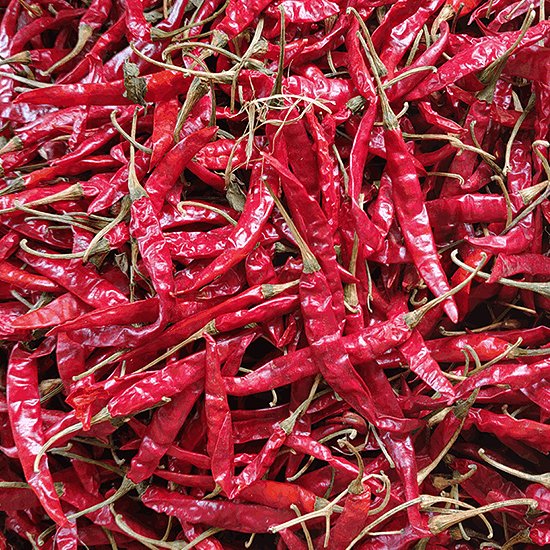
Red chili export from India is one of the largest spice trade segments in the world. India supplies premium varieties like Teja, Guntur Sannam, Byadgi, and Kashmiri chili to global markets. If you are involved in importing or buying in bulk, understanding the export process is essential for selecting the right quality, variety, and supplier. Whether you are a spice manufacturer, food processor, distributor, or private-label brand, selecting the right supplier is essential to maintaining consistent quality and meeting customer expectations. India is the world’s largest producer and exporter of dry red chili, offering a wide range of varieties with different levels of heat, color, and flavor. With so many options available, it is important to understand which variety best suits your specific application. In this article, we will explore the key factors to consider when buying dry red chili in bulk, starting with one of the most important decisions: choosing the right variety. Red Chili Export Varieties Available in India The first step in sourcing dry red chili is identifying the variety that matches your product requirements and your customers’ preferences. Popular Indian Dry Red Chili Varieties How to Choose the Right Variety